What's happening
Running. You’ve probably thought about it, started it, or know someone obsessed with it.
36% of UK runners run two to three times a week.
Dubbed the new quarter-life crisis. Whether it’s a means to live a healthier lifestyle, push one’s limits, or a way to take control in the gnarly economic climate.
Running has become a core identity marker. Following the footsteps of other hobby-turned lifestyle (or obsession) like cycling, photography, specialty coffee, climbing and/or HYROX.
Meaningful connection
From the hangover of Covid lockdowns, the enduring loneliness epidemic, to the hardships of making friends in urban centres. Our yearning for real-world social connection has fueled the explosion of run clubs everywhere.
Praised as the new third space. Where like-minded folk connect over carbs, coffee, PB’s, the latest super shoe and even becoming an IRL alternative to dating apps; run clubs became the new pub.
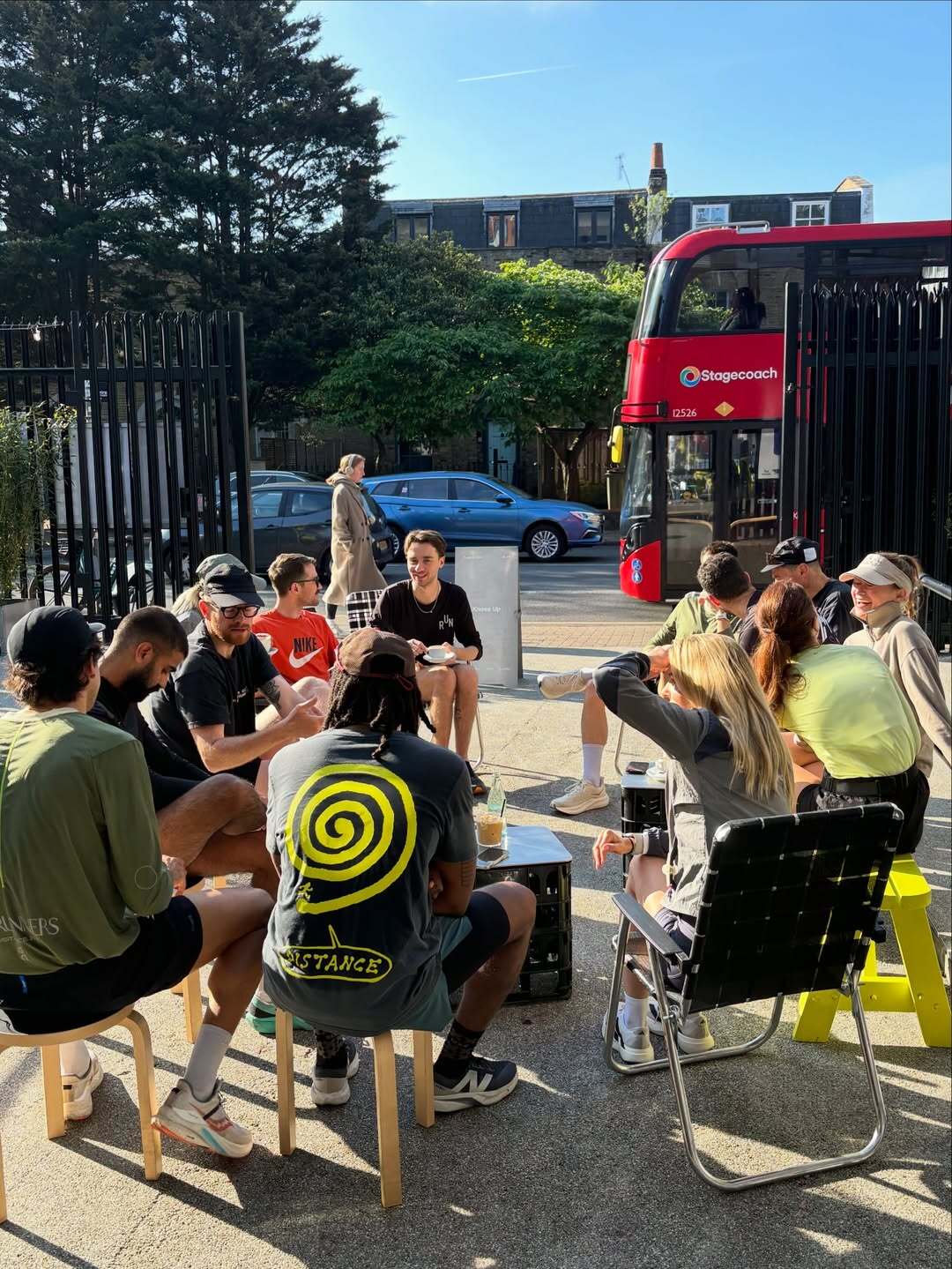
Retail spaces in London have followed suit. Knees Up in East London is part cafe, part meeting space, part retail store, hosting events for various run clubs and brands. Similarly, Runlimited, who specialises in premium running gear, offer gait analysis to help runners find their ideal shoe as well as hosting regular track and long runs.
New measures of success
In our current economic climate, running has become a way for people to find some semblance of control over their lives by giving them tangible goals.
Participation in race event distances (5k to marathon) is booming. Strava’s Year in Sport 2025 report showed a 35% YOY growth for Gen Z event participation, more than double that of Millennials.
Creators and “runfluencers” have also played a major part, turning running into a lifestyle aesthetic: where finish line photos and aesthetic race fits are the ultimate flex. In 2024 we briefly saw the emergence of Strava mules, runners paid by others to run for them. Kudos without the effort, showing that for some, the identity of a runner is more important than putting the miles in.

The Hackney Half has become the premier half marathon event in London, turning the East London borough of Hackney into a street party with nearly 24,000 runners in the 2025 edition. Entries to its 2026 edition sold out in two days.
The London Marathon last year set a new world record with over 56,600 finishers and could become a two-day event in the near future. It was also the most gender-equal mass marathon in history with over 25,000 female participants.
Completing a half or marathon has become a modern rite of passage.
Tension spaces
The un-glamourous realities of running are often unspoken.
Behind the perfectly curated feeds, there is a side of running you don’t often hear about.
Where black toenails are the norm. Blisters are popped with safety pins. Chafing that leads to shower pains, sometimes even bleeding nipples.

Gut issues from nerves. Dancing the fine line between over (or under) fueling. Treating your gut as a science experiment as you train the gut with a myriad of gels, carb mixes and electrolytes to find what works for you.
Some of these are problems to be solved, others are seen as badges of honour.
As AI-generated perfection saturates our feeds, we’re craving content that feels real: embracing the quirks, imperfections and mistakes that make training blocks feel more relatable.
The shift: From selling polished perfection ➔ To embracing the honest reality.
Social media has normalised high mileage.
Longer miles, harder sessions, regular racing and resistance to rest.
Hustle culture meets running.
Taking a rest day has become an inside joke, because “who’s gonna carry the boats?” if you’re resting?
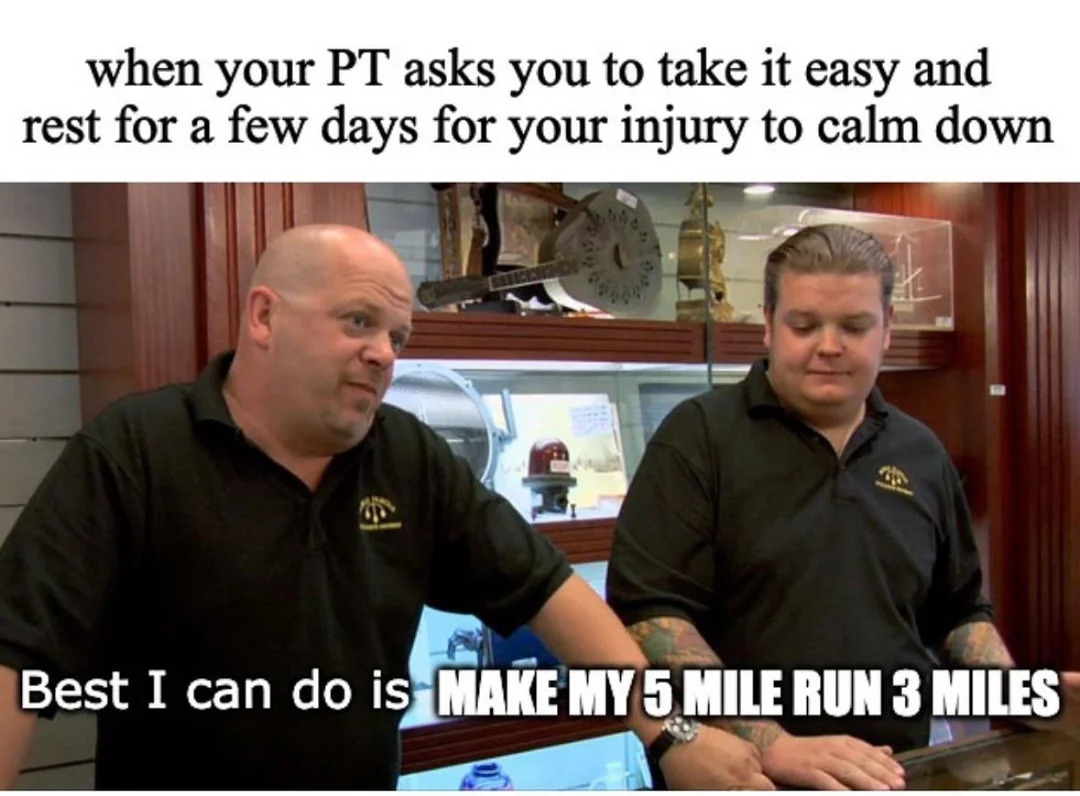
But maintaining the “always on” running lifestyle comes at a cost. SportsShoes 2026 Running report showed that 75% of runners surveyed experienced a running-related injury in 2025, a 5% increase compared to the previous year.
In late 2025, more and more runfluencers came forward with stories about stress fractures and burnout. Leading to “stress fracture gate” and the debate around who is ultimately responsible for training in a sustainable way. Furthering the scrutiny on algorithm-driven run apps that serve as the main gateway for many beginners.
Taking a rest day and getting more sleep isn’t a sign of laziness, it’s maintenance that leads to a more sustainable journey in running.
The shift: From pushing relentless performance ➔ To championing radical rest.
There are still environmental and cultural barriers to entry.
Running has been positioned as a sport where all you need is a pair of trainers and you’re good to go. However, the runner boom has put a spotlight on the areas that need work.
While the London Marathon hit gender parity, there is still work to do to make start lines even more inclusive. Which communities like Black Girls Do Run and South Asian Run Club are doing to show that running is for everyone.
Safety becomes a key issue for many women during the darker months, where going out for a run isn’t so simple. Having to navigate sunset times and safe routes with 72% of women in the UK changing their outdoor exercise habits during those months.
Lily White, aired her concerns of night running and recently founded "The Night Club" to raise awareness for women's nighttime safety.
Run clubs are not always inclusive. In response to fast-paced run clubs that did not cater to “slower” runners, Jennifer Mannion created Runners and Stunners, a community that is dedicated to making the sport more inclusive for women.
The shift: From assuming equal access ➔ To breaking down running barriers.
Summary
The opportunity for brands isn’t just in focusing on the finish line. The more meaningful role lies in recognising how identity is shaped in the quieter, less visible parts of the journey. Training blocks, small milestones, shared routines and incremental progress are where community forms and loyalty builds over time. Supporting those moments allows brands to show up in ways that feel part of the culture itself, rather than simply sitting alongside it. It's the trials, the tribulations, the wins and everything in between.
Want to find out more? Download our report by filling the form out below.
Author note:
Jonny Almario, Cultural Insights Strategist, Creative Operations EMEA.
Jonny is an avid trail ultra runner and completed 17 ultramarathons ranging from 50km to 100 miles.
More resources

Travaillons ensemble

Travaillons ensemble
Travaillons ensemble

Travaillons ensemble
Travaillons ensemble
Travaillons ensemble
Travaillons ensemble
Travaillons ensemble
Travaillons ensemble
Travaillons ensemble
Travaillons ensemble
Travaillons ensemble
Travaillons ensemble
Travaillons ensemble
Travaillons ensemble
Travaillons ensemble
Travaillons ensemble

Travaillons ensemble
Travaillons ensemble
Travaillons ensemble
Travaillons ensemble
Travaillons ensemble
Travaillons ensemble
Travaillons ensemble
Travaillons ensemble
Travaillons ensemble
Travaillons ensemble
Travaillons ensemble
Travaillons ensemble
Travaillons ensemble
Travaillons ensemble
Travaillons ensemble